

Modern smartphones are evolving quickly, and one of the most convenient innovations is eSIM technology. Instead of inserting a physical SIM card, eSIM allows you to activate a mobile plan digitally. This feature is particularly useful for travelers, remote workers, and anyone who frequently switches carriers.
With eSIM, you can activate a plan within minutes, manage multiple carriers on one device, and avoid the hassle of dealing with tiny SIM cards. Many of today’s flagship smartphones already support eSIM, and some models—especially in the United States—have even eliminated the physical SIM tray entirely.
If you're searching for a phone that supports eSIM while delivering strong performance, excellent cameras, and reliable battery life, this guide highlights five of the best smartphones currently available with eSIM support.
What Is eSIM and Why It Matters
Before choosing the right smartphone, it's important to understand why eSIM support is becoming so popular.
eSIM stands for embedded SIM, which means the SIM card is built directly into your phone’s hardware. Instead of swapping cards, you simply scan a QR code or download a carrier profile.
This technology offers several advantages.
You can store multiple carrier profiles on one device, making it easier to switch networks or use local carriers when traveling internationally. Activation is also faster since everything happens digitally. Additionally, manufacturers can design slimmer phones because they no longer need a SIM tray.
Many flagship devices from companies like Apple, Samsung, and Google now support dual SIM functionality using eSIM, allowing users to manage personal and work numbers on the same phone.
1. Apple iPhone 15
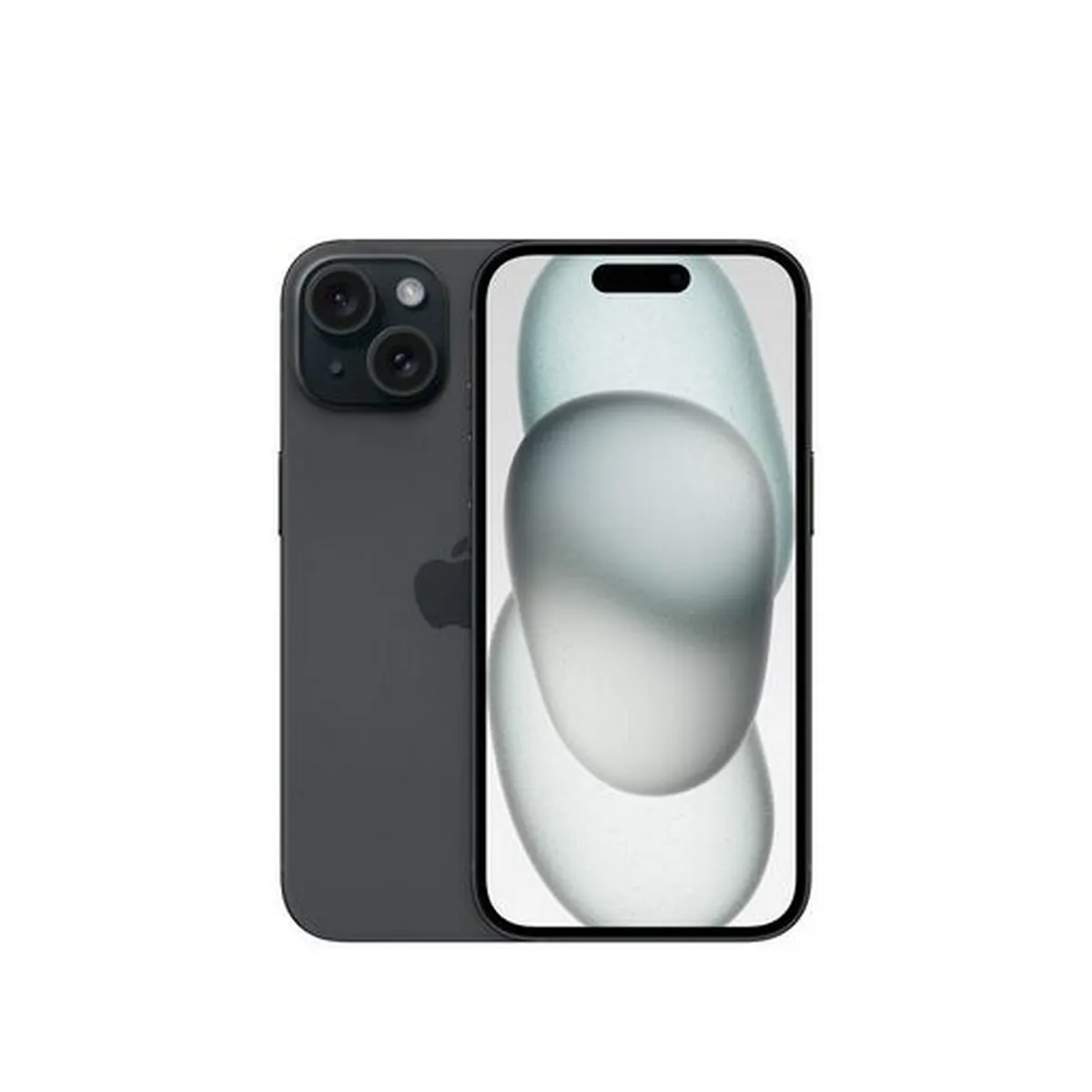
Apple iPhone 15 is one of the most popular smartphones with full eSIM support, particularly in the United States where it ships without a physical SIM tray. That means all connectivity is handled digitally through eSIM profiles.
Apple designed the iPhone 15 with a durable glass and aluminum body and a bright 6.1-inch OLED display that delivers vibrant colors and excellent brightness for outdoor use. The phone also features the Dynamic Island interface and a powerful A16 Bionic chip, providing smooth performance for everything from social media to mobile gaming.
One of the biggest highlights is its camera system. The 48-megapixel main sensor captures sharp photos with impressive detail and natural colors. Apple’s computational photography enhances images automatically, helping even casual users take professional-looking pictures.
Battery life is also solid, easily lasting a full day for most users. Combined with Apple’s ecosystem—including iMessage, AirDrop, and FaceTime—the iPhone 15 remains one of the best choices for anyone who wants a premium smartphone with reliable eSIM connectivity.
For users who travel frequently or prefer digital carrier activation, the iPhone 15 offers one of the smoothest eSIM experiences available today.
2. Samsung Galaxy S24

Samsung Galaxy S24 is another excellent smartphone with eSIM compatibility, combining premium hardware with advanced software features.
Samsung equipped the Galaxy S24 with a bright AMOLED display that supports high refresh rates, making scrolling, gaming, and watching videos incredibly smooth. The phone also uses powerful processors designed to handle demanding apps and multitasking with ease.
The camera system is one of the best in the Android ecosystem. Samsung’s image processing produces vibrant colors and strong dynamic range, making photos stand out on social media. Whether you’re shooting landscapes, portraits, or night scenes, the Galaxy S24 delivers consistent results.
Another advantage is Samsung’s software customization. The One UI interface allows users to personalize nearly every aspect of the device, from themes and widgets to advanced multitasking tools.
With dual SIM functionality using eSIM, users can easily manage two phone numbers or switch carriers without physically changing SIM cards. This makes the Galaxy S24 especially useful for business professionals and frequent travelers.
Overall, the Galaxy S24 offers a powerful blend of performance, design, and flexibility for anyone looking for a premium Android phone with eSIM support.
3. Google Pixel 8

Google Pixel 8 has become one of the most recommended smartphones for users who value clean Android software and exceptional photography.
Unlike many Android phones that come with heavy software customization, Pixel devices run a pure version of Android directly from Google. This results in faster updates, smoother performance, and fewer unnecessary apps.
The Pixel 8 also excels in photography. Google’s computational photography algorithms are among the best in the industry. Even with relatively simple camera hardware, the phone produces stunning photos with accurate colors, excellent HDR, and strong low-light performance.
Artificial intelligence plays a major role in the Pixel experience. Features like Magic Editor, AI photo enhancement, and real-time voice typing make the device feel smarter and more helpful than traditional smartphones.
The Pixel 8 supports both physical SIM and eSIM, allowing users to run two mobile networks simultaneously. This is especially useful for people who maintain separate work and personal numbers.
With long software support and frequent security updates, the Pixel 8 is a great long-term investment for users who want an Android phone with reliable eSIM capabilities.
4. Motorola Edge 40

Motorola Edge 40 is an excellent option for users who want eSIM support at a slightly lower price compared to flagship devices.
Motorola designed the Edge 40 with a sleek curved display and a lightweight body that feels comfortable to hold. The OLED screen offers vibrant colors and smooth animations thanks to its high refresh rate.
Performance is solid for everyday tasks such as streaming, browsing, and social media. While it may not match the raw power of flagship processors, the device handles most real-world tasks smoothly.
The camera system also performs surprisingly well for its price range. Photos are sharp and detailed in good lighting conditions, and the software helps maintain natural color balance.
Motorola’s near-stock Android interface is another advantage. The software feels clean and responsive without unnecessary bloatware.
For users who want a modern smartphone with eSIM compatibility without paying flagship prices, the Motorola Edge 40 offers a strong balance of performance, design, and value.
5. Apple iPhone SE (3rd Generation)

Apple iPhone SE (3rd generation) remains one of the best choices for users who prefer compact smartphones with strong performance.
Despite its smaller design, the iPhone SE includes Apple’s powerful A15 Bionic processor. This chip allows the device to run modern apps and games smoothly while also supporting future software updates.
The phone uses a classic design with a home button and Touch ID fingerprint sensor, which many users still prefer over face recognition systems.
Its camera may appear simple compared to newer multi-lens setups, but Apple’s software processing allows the single camera to produce sharp and natural-looking photos.
The iPhone SE also supports eSIM alongside a physical SIM, making it a great option for users who want dual-SIM functionality in a compact and affordable device.
For anyone who prefers smaller phones without sacrificing performance, the iPhone SE is still a surprisingly powerful choice.
How to Choose the Best eSIM Smartphone
Choosing the right eSIM phone depends on how you plan to use it.
If you want the most seamless experience with digital carriers and premium hardware, the iPhone 15 is an excellent choice. For Android users who want top-tier performance and customization, the Samsung Galaxy S24 stands out as a powerful option.
The Google Pixel 8 is ideal for users who prioritize photography and clean software. Meanwhile, the Motorola Edge 40 provides great value for those who want modern features without paying flagship prices.
Finally, the iPhone SE remains a strong pick for people who prefer compact phones and simple designs while still benefiting from Apple’s ecosystem.
Final Thoughts
eSIM technology is quickly becoming the standard for modern smartphones. It simplifies carrier activation, enables dual-network functionality, and makes international travel far easier.
Phones like the iPhone 15, Samsung Galaxy S24, Google Pixel 8, Motorola Edge 40, and iPhone SE demonstrate how widespread eSIM support has become across both premium and mid-range devices.
If you’re planning to upgrade your smartphone, choosing a model with eSIM support ensures your device is ready for the future of mobile connectivity. Whether you prioritize performance, photography, portability, or affordability, there is now an excellent eSIM-compatible phone that fits your needs.