

Smart homes are no longer a futuristic dream. In 2026, they are becoming the standard for convenience, security, and energy efficiency. From intelligent thermostats that learn your habits to AI-powered cameras that protect your home, modern smart home devices are transforming how people live every day.
But with hundreds of gadgets flooding the market, choosing the right smart home devices can feel overwhelming. Many products promise automation and convenience, yet not all deliver real value.
This guide explores the smart home devices worth buying in 2026, focusing on products that genuinely improve comfort, security, and efficiency. Whether you're building your first smart home or upgrading your existing setup, these devices offer the best combination of innovation, reliability, and everyday usefulness.
Why Smart Home Devices Are More Important Than Ever
In recent years, smart home technology has evolved rapidly. What once required complex installations and expensive hubs is now simple, wireless, and often controlled by voice or smartphone apps.
Three major trends explain why smart homes are booming in 2026.
First, energy efficiency has become a priority. Rising electricity costs are pushing homeowners toward devices that reduce energy waste automatically.
Second, home security has become smarter and more proactive. AI-powered cameras and sensors can detect unusual activity and alert homeowners instantly.
Third, automation has reached a new level of convenience. Instead of manually controlling devices, smart systems now learn routines and adapt to daily habits.
The result is a home that works for you instead of the other way around.
Smart Thermostats That Save Energy and Money
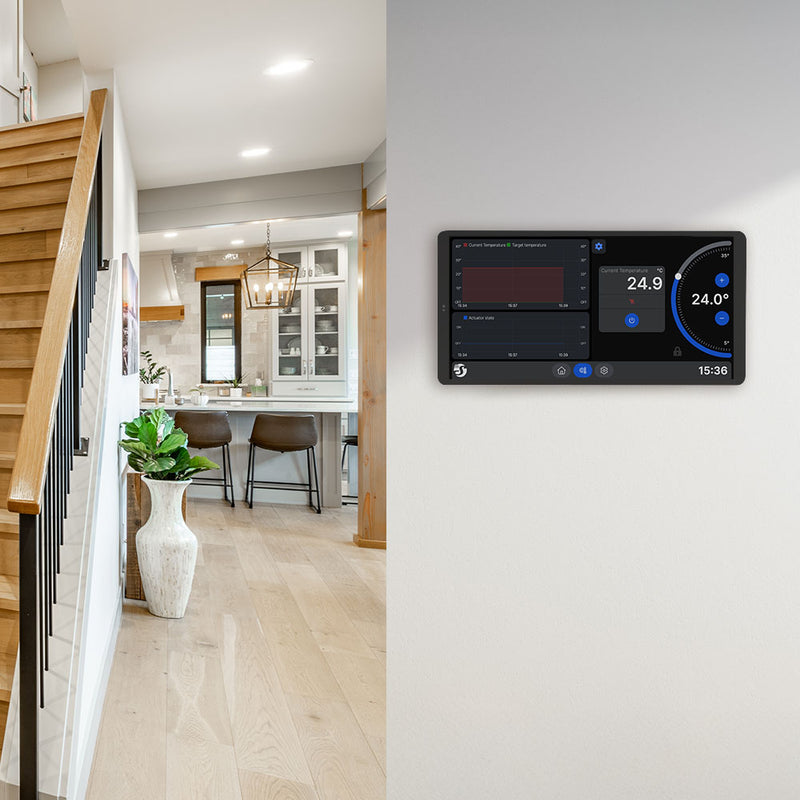
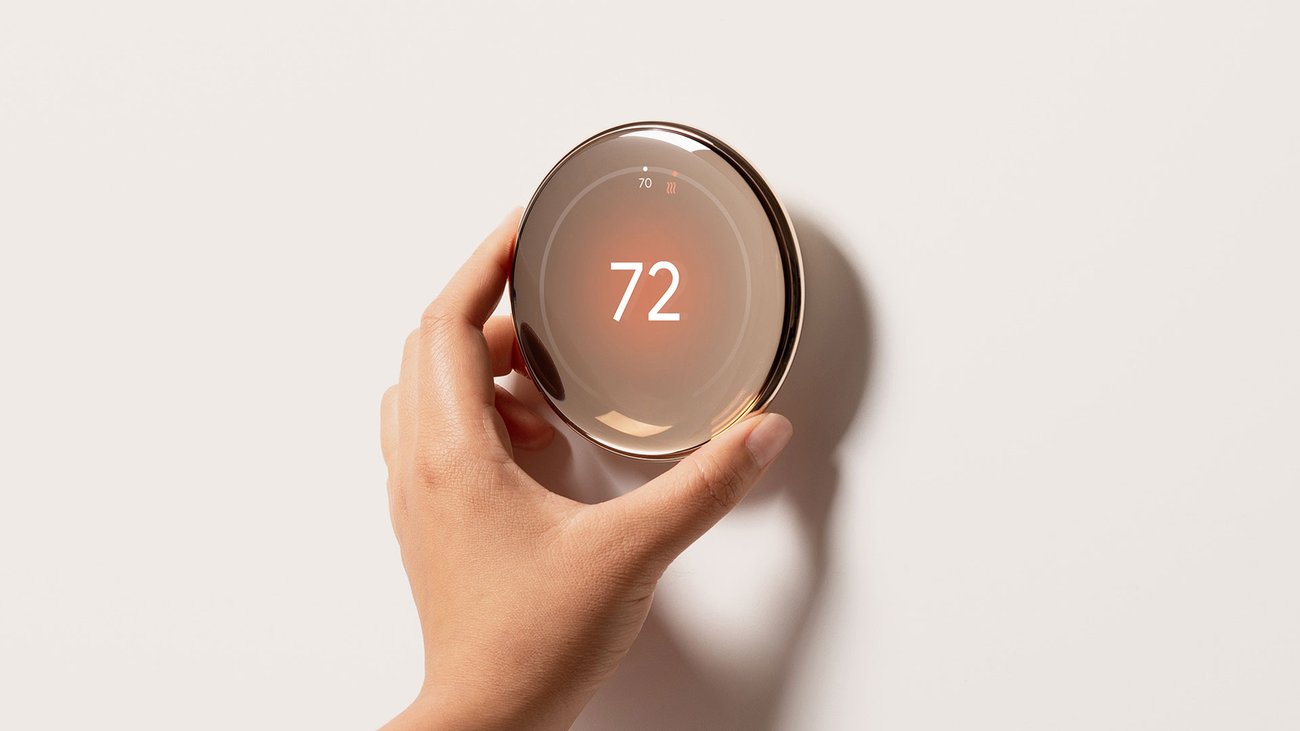


Heating and cooling account for a large percentage of household energy usage. Smart thermostats help reduce that cost while improving comfort.
Unlike traditional thermostats, modern smart models learn your schedule. They automatically adjust temperatures when you're home, asleep, or away.
In 2026, the best smart thermostats use machine learning algorithms to optimize energy usage. Over time, they understand your daily patterns and fine-tune climate control accordingly.
Many devices also integrate with weather forecasts. If a cold front is coming, your system prepares in advance to maintain the perfect temperature without overworking your HVAC system.
Another key benefit is remote control. Using a smartphone app, you can adjust your home's temperature from anywhere. Forgot to turn down the heat before leaving for vacation? A quick tap solves it.
For homeowners looking to reduce energy bills while staying comfortable, smart thermostats are one of the most worthwhile smart home investments.
Smart Security Cameras for Peace of Mind



Home security technology has changed dramatically in the past few years. Traditional systems relied on basic motion sensors and alarm sirens.
Today’s smart security cameras are far more advanced.
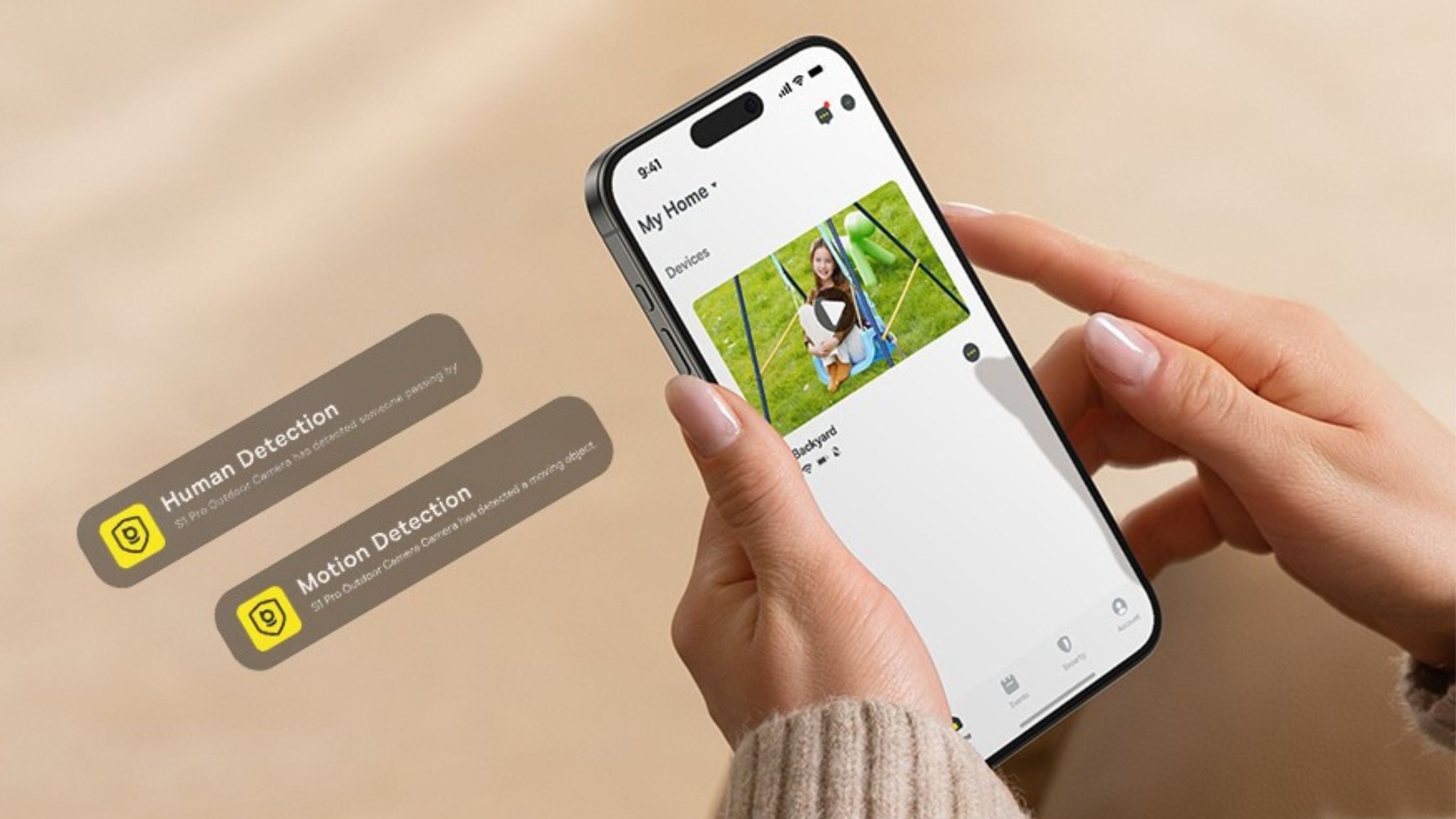
Modern cameras use AI-powered object recognition to distinguish between people, animals, vehicles, and harmless movements like tree branches. This drastically reduces false alerts.
Another breakthrough is real-time notifications. If a camera detects a person approaching your front door, you receive an instant alert on your phone.
Many systems also include two-way audio. This allows homeowners to speak directly to visitors, delivery drivers, or even potential intruders through the camera.
Cloud storage and local recording options make it easy to review footage when necessary.
For homeowners who want to increase safety without installing complicated alarm systems, smart security cameras offer a powerful and flexible solution.
Smart Lighting That Adapts to Your Lifestyle

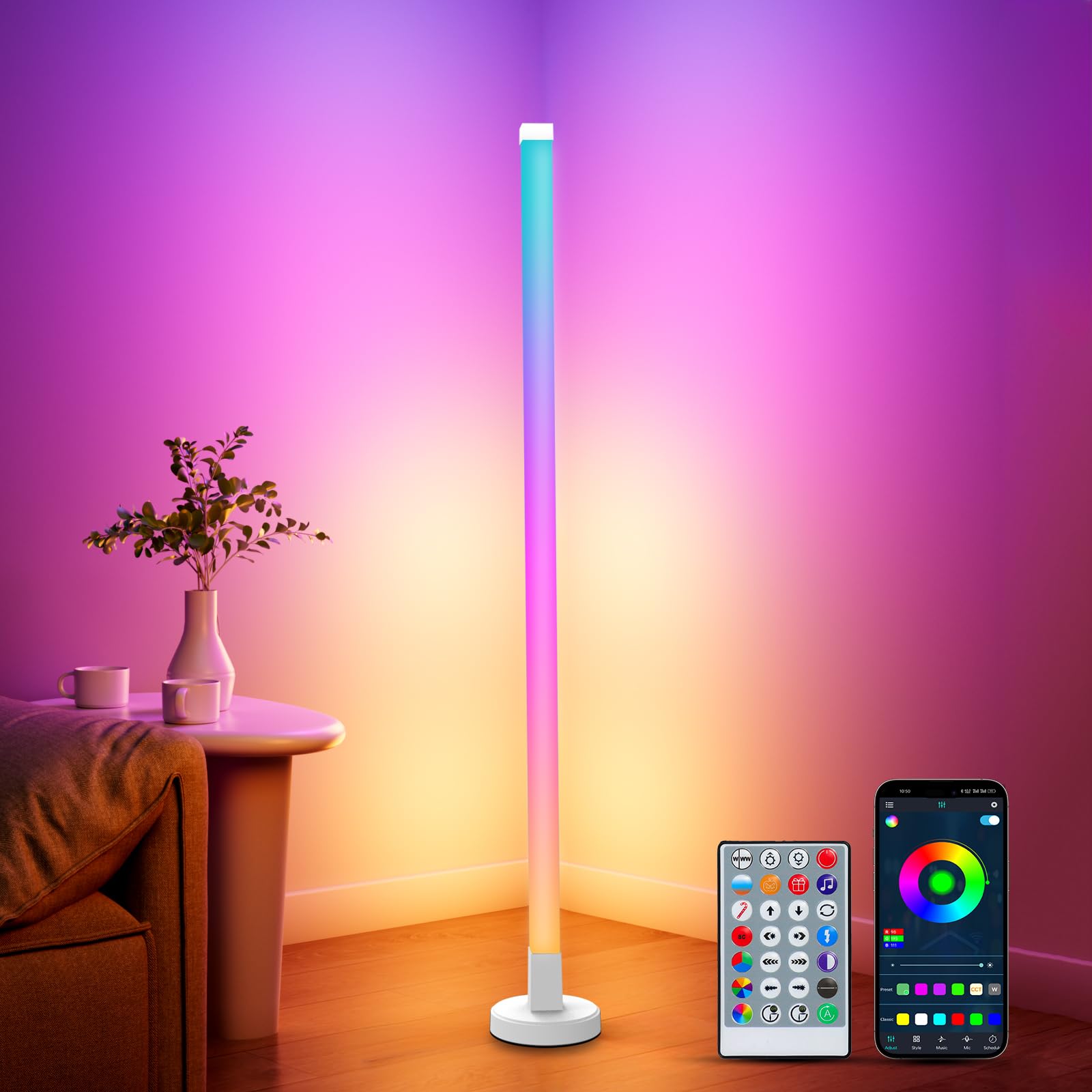

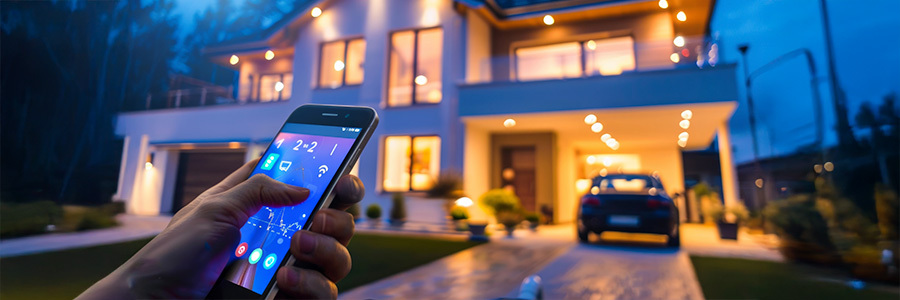
Lighting might seem like a small detail, but smart lighting can completely transform the atmosphere and efficiency of a home.
Smart bulbs and switches allow users to control brightness, color temperature, and schedules directly from a smartphone or voice assistant.
In 2026, many systems support adaptive lighting, which adjusts brightness and color automatically throughout the day.
For example, lights may emit cooler white tones during the morning to boost productivity. In the evening, they gradually shift to warmer tones that help the body relax before sleep.
Automation also improves security. Lights can turn on automatically when motion is detected or simulate occupancy when you're traveling.
Energy savings are another advantage. Smart lighting systems can automatically shut off lights in empty rooms, reducing unnecessary electricity usage.
Once installed, smart lighting quickly becomes one of the most noticeable and enjoyable upgrades in any smart home.
Smart Speakers and Voice Assistants


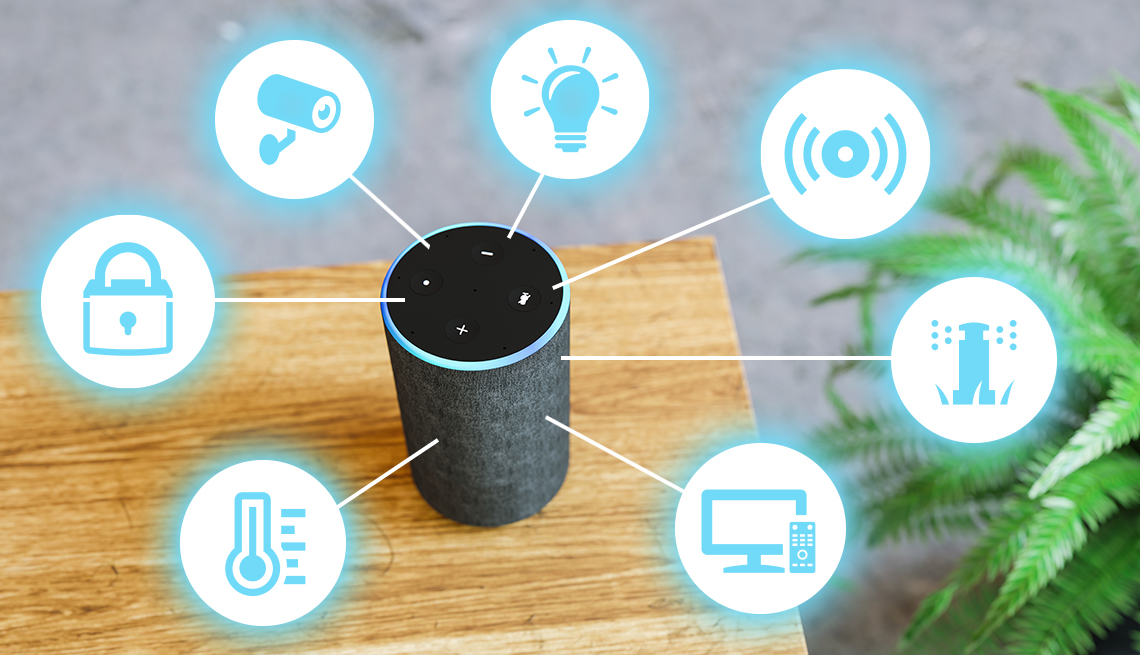
At the center of most smart homes is a voice assistant. Smart speakers act as the control hub that connects and manages multiple devices.
Using simple voice commands, homeowners can adjust lighting, play music, check the weather, or control thermostats without touching a phone.
In 2026, voice assistants are more intelligent than ever. AI improvements allow them to understand natural language and respond to complex requests.
Instead of saying multiple commands, users can simply ask things like:
“Set the living room lights to movie mode and lower the temperature by two degrees.”
The system handles everything automatically.
Smart speakers also support routines. A single command like “Good night” can turn off lights, lock doors, adjust the thermostat, and arm the security system.
Because they connect multiple devices into one ecosystem, smart speakers remain one of the most essential components of a modern smart home.
Smart Door Locks for Keyless Security

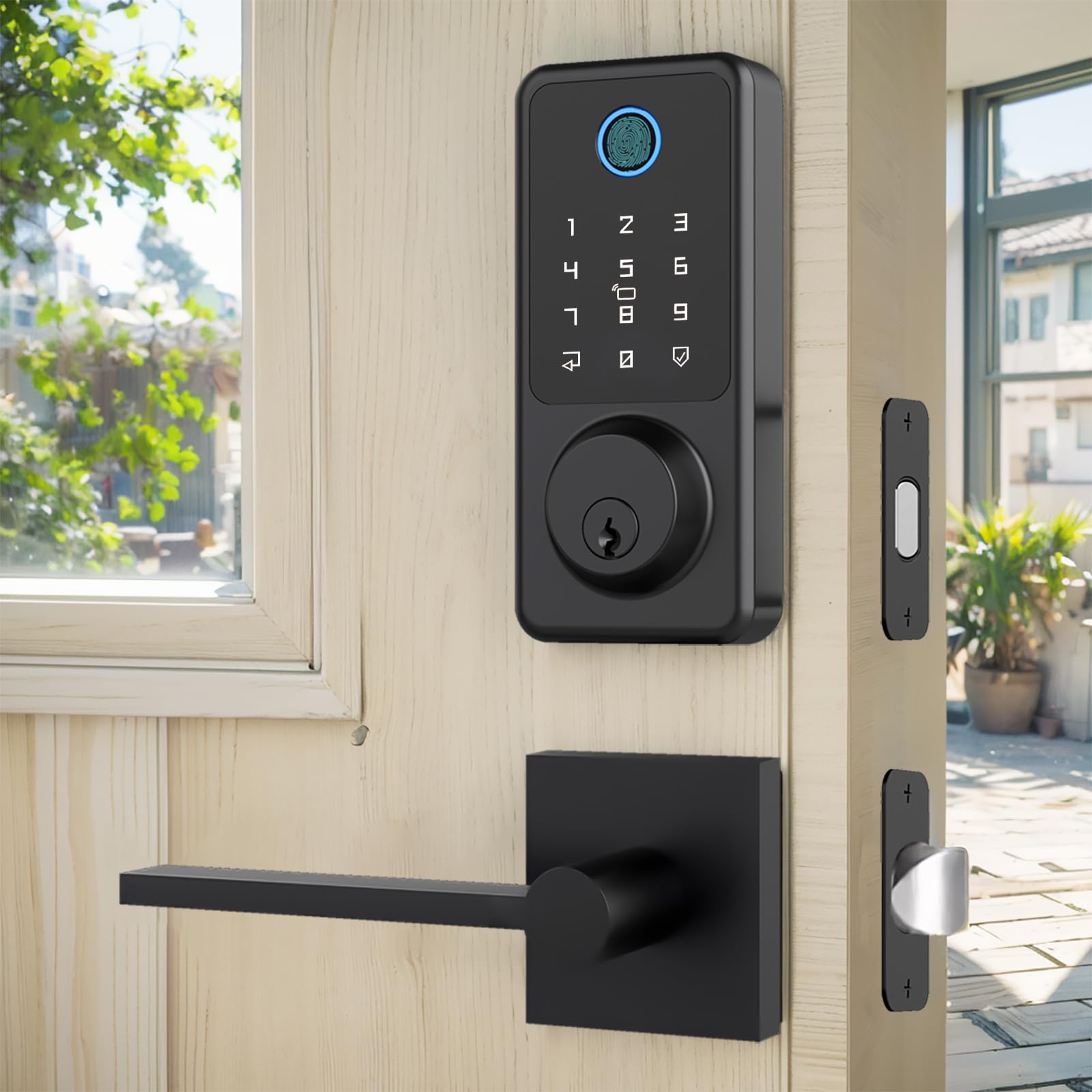
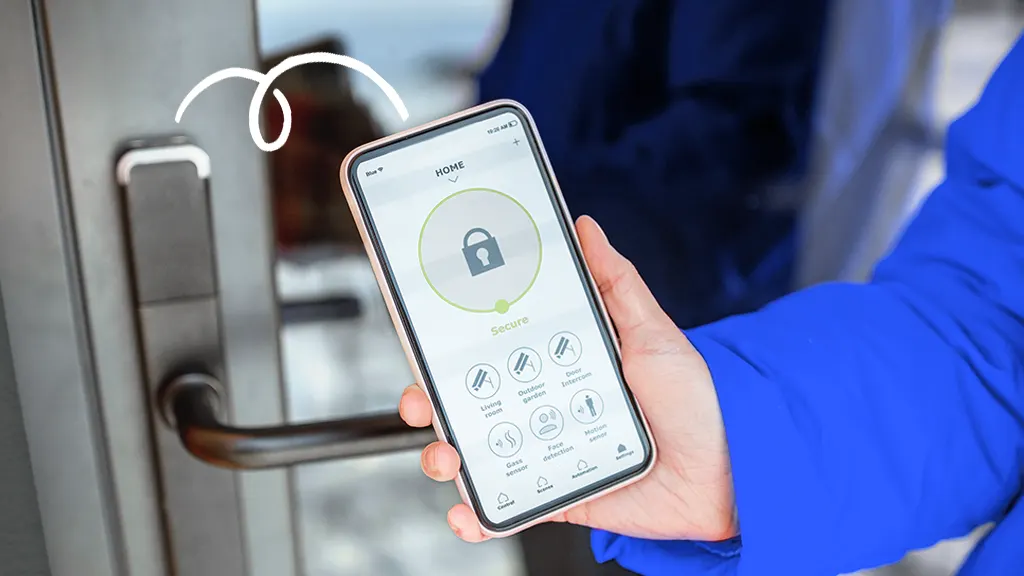
Keys are slowly becoming obsolete. Smart door locks provide secure and convenient alternatives that eliminate the need for traditional keys.
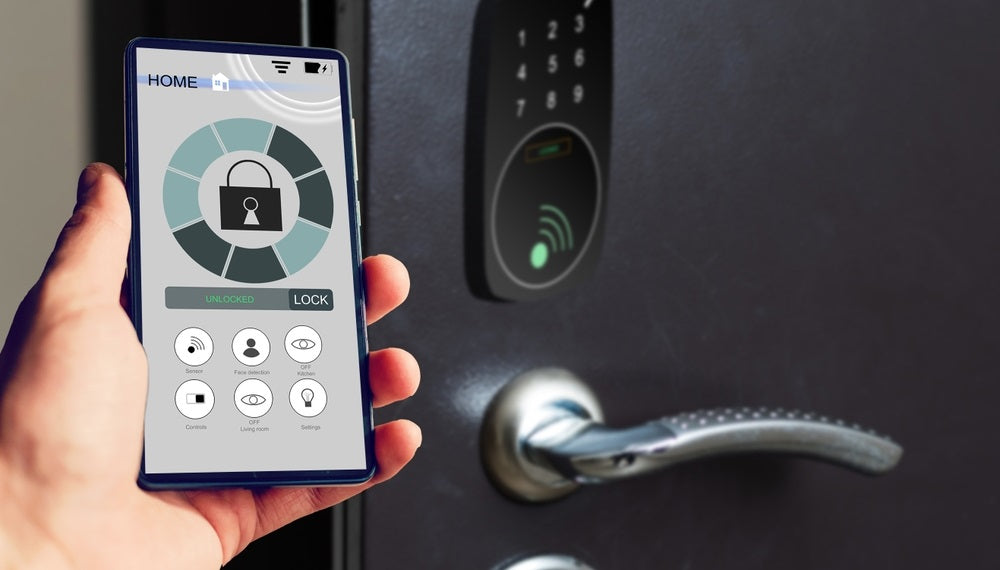
With a smart lock, homeowners can unlock doors using a smartphone app, keypad code, fingerprint scanner, or even voice command.
One major advantage is remote access. If a guest or family member needs to enter your home while you're away, you can unlock the door remotely or generate a temporary access code.
This feature is particularly useful for vacation rentals, deliveries, and service providers.
Smart locks also provide activity logs. You can see exactly when the door was locked or unlocked and who accessed it.
In 2026, many models also integrate with home security systems and cameras, creating a seamless protection network.
For homeowners seeking both security and convenience, smart locks are a practical upgrade that quickly proves its value.
Smart Plugs That Turn Anything Into a Smart Device

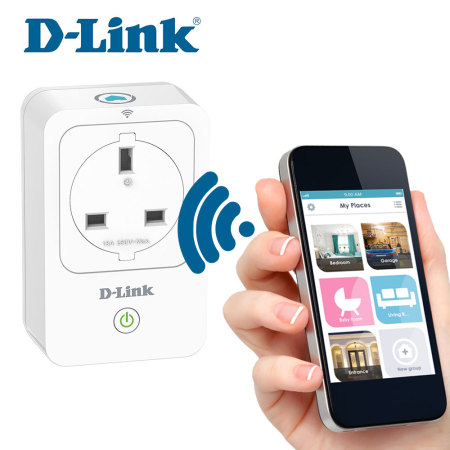


Not every appliance needs to be replaced with a smart version. Smart plugs provide a simple and affordable way to add automation to everyday devices.
These small adapters plug into a standard outlet and allow users to control connected devices remotely.
For example, you can turn on a coffee maker before getting out of bed or schedule a lamp to turn on automatically at sunset.
Many smart plugs also include energy monitoring features. This helps homeowners identify which devices consume the most electricity.
Over time, these insights can lead to smarter energy usage and lower utility bills.
Smart plugs are also perfect for beginners entering the smart home world. They require no complex installation and work with most voice assistants.
Because they instantly upgrade traditional appliances, smart plugs remain one of the most versatile smart home devices available.
Smart Robot Vacuums for Effortless Cleaning


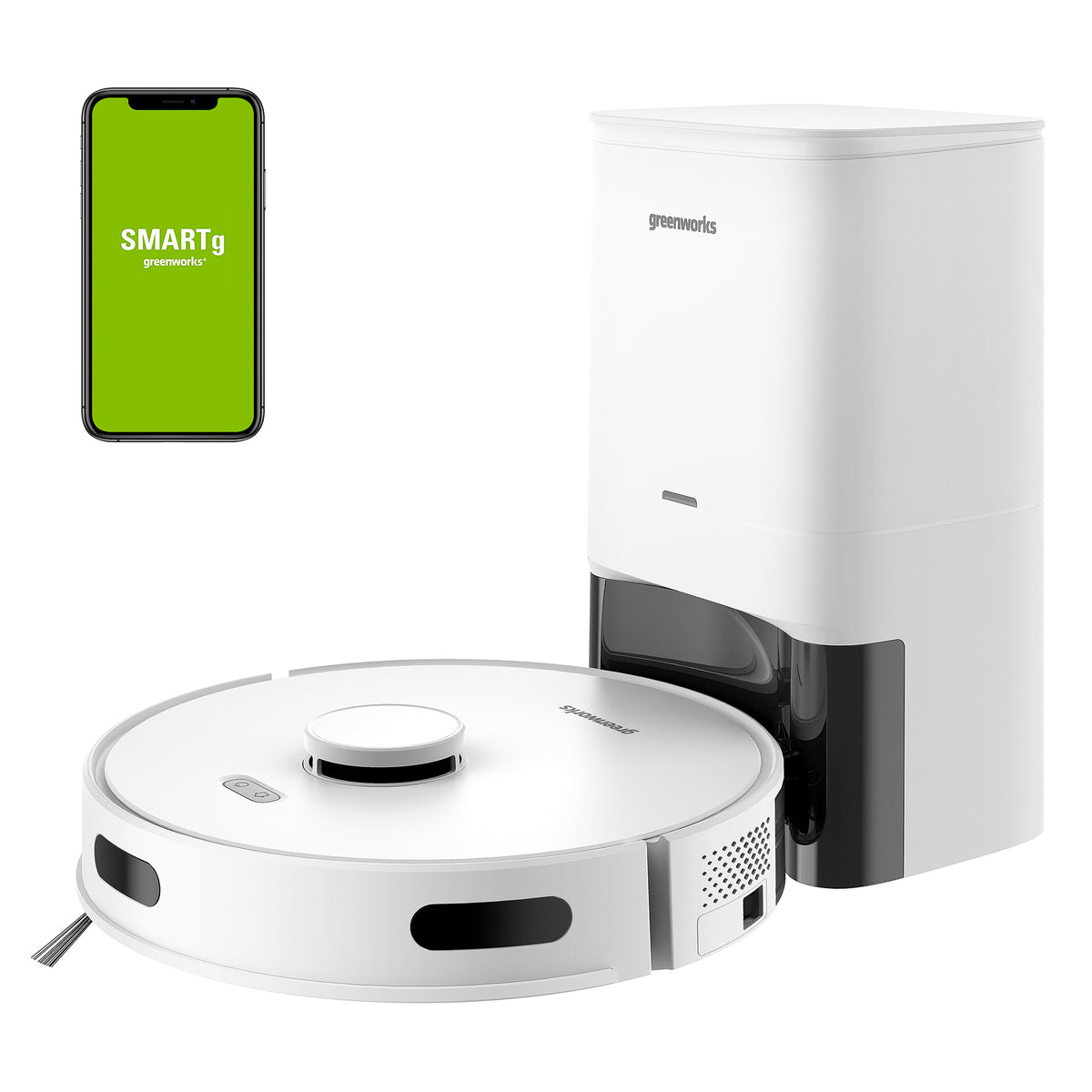
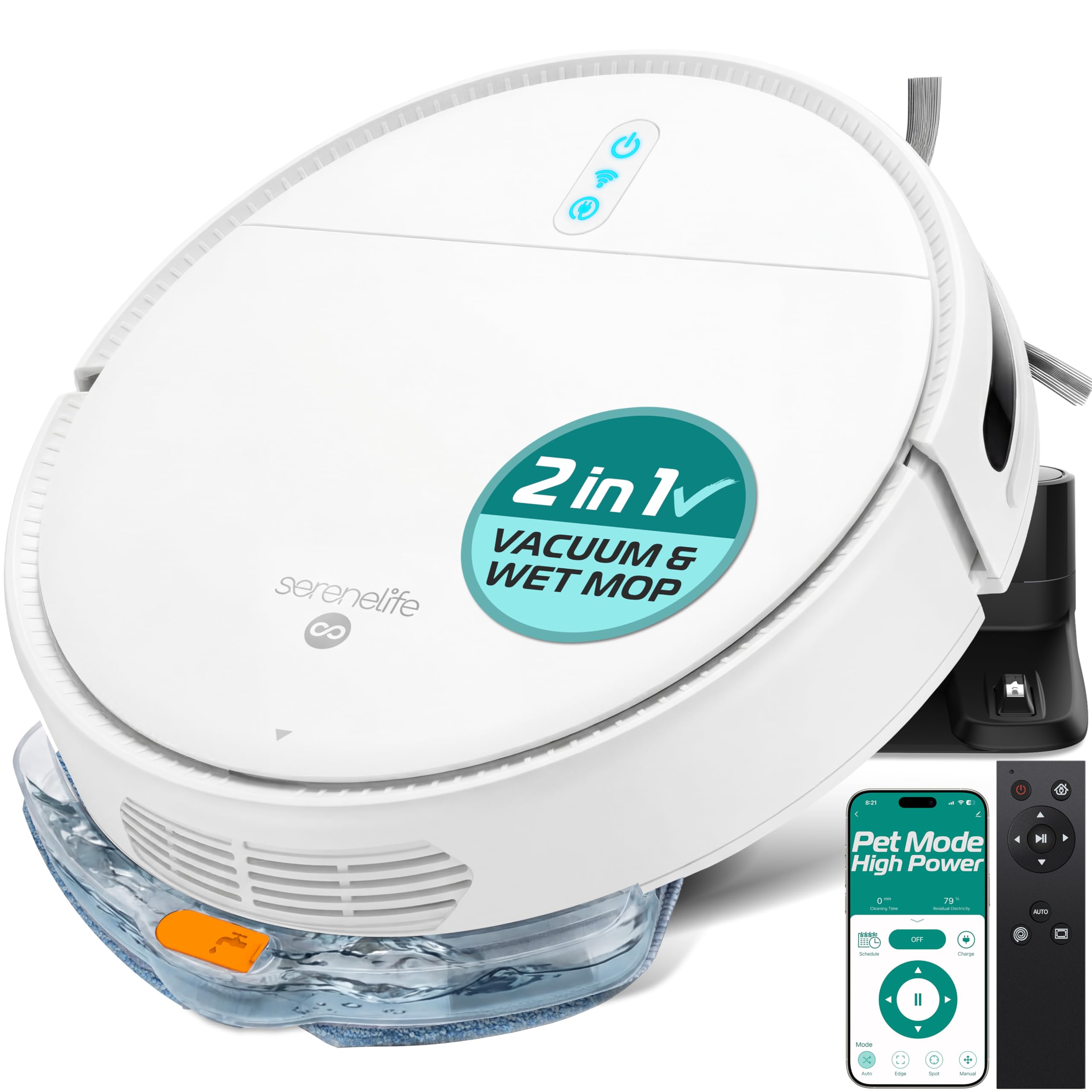
Cleaning floors is one of the most time-consuming household chores. Smart robot vacuums eliminate much of that effort.
Modern models in 2026 use LiDAR navigation and AI mapping to understand the layout of your home. They create precise maps and clean efficiently instead of moving randomly.
Users can schedule cleaning sessions, designate no-go zones, or direct the vacuum to specific rooms using a mobile app.
Some advanced models even combine vacuuming and mopping in a single device.
Automatic dirt disposal is another game-changing feature. After cleaning, the robot empties its dustbin into a larger container at its charging station.
This means homeowners may only need to empty the system every few weeks.
For busy households, robot vacuums provide a level of convenience that quickly becomes indispensable.
The Future of Smart Homes in 2026 and Beyond
Smart home technology continues to evolve at an impressive pace. Artificial intelligence, improved connectivity, and better device compatibility are shaping the next generation of home automation.
One major improvement is cross-platform compatibility. New standards like Matter are making it easier for devices from different brands to work together seamlessly.
This reduces one of the biggest frustrations smart home users faced in the past.
AI is also playing a larger role in predictive automation. Instead of reacting to commands, smart homes are beginning to anticipate needs.
Your home may soon adjust lighting, climate, and music automatically based on mood, time of day, and behavior patterns.
As these technologies mature, smart homes will become even more intuitive and personalized.
Final Thoughts
Smart home devices in 2026 are no longer novelty gadgets. They are practical tools that improve comfort, security, and efficiency in everyday life.
From intelligent thermostats and AI-powered cameras to adaptive lighting and robot vacuums, the right devices can transform how your home functions.
The key is choosing technology that genuinely adds value rather than unnecessary complexity.
Start with essential upgrades like smart lighting, security cameras, or voice assistants. Over time, you can expand your system with additional devices that match your lifestyle.
With the right setup, a smart home doesn’t just feel futuristic—it makes daily life easier, safer, and far more convenient.