

Technology rarely moves in small steps. Most years bring incremental updates, but occasionally a moment arrives when multiple innovations accelerate at the same time. 2026 is shaping up to be one of those moments.
Artificial intelligence is becoming deeply integrated into everyday tools, automation is transforming industries, and new forms of computing are redefining how humans interact with machines. For businesses, creators, and everyday consumers, understanding these shifts is no longer optional — it’s essential.
The biggest technology trends of 2026 are not just about faster devices or smarter apps. They represent fundamental changes in how people work, communicate, shop, create, and solve problems.
Below are the most important technology trends that will shape the coming year and influence the decade ahead.
Artificial Intelligence Everywhere
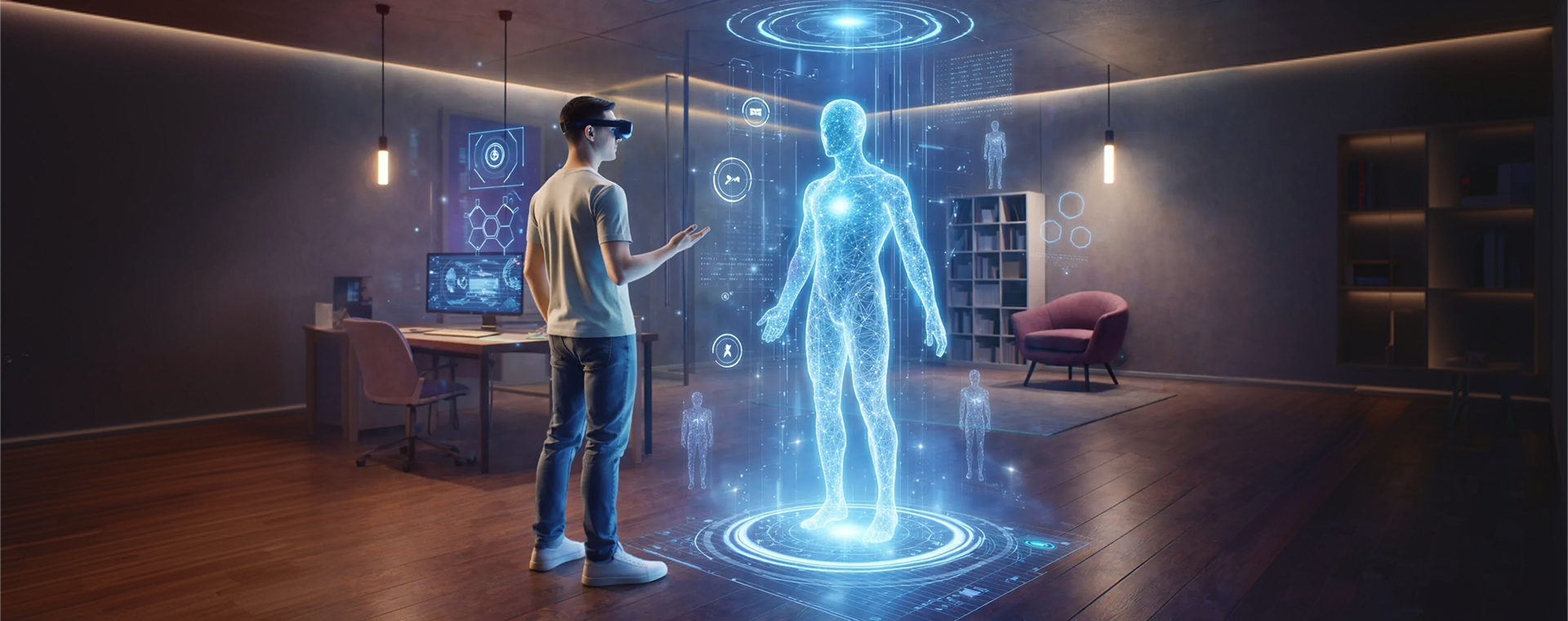
Artificial intelligence is no longer a niche technology used only by researchers and large tech companies. In 2026, AI is becoming the foundation of modern software.
Nearly every digital product is integrating some form of AI-driven functionality. From writing assistants and coding copilots to intelligent design tools and automated marketing platforms, AI is transforming how people produce and consume information.
The shift happening right now is from AI tools to AI systems embedded into workflows. Instead of opening a separate AI app, users increasingly interact with AI inside the software they already use.
Businesses are also adopting AI to automate repetitive tasks such as customer support, document processing, scheduling, and data analysis. This allows teams to focus on strategic work while machines handle operational tasks.
For everyday users, the most visible impact appears in AI assistants that understand context. These assistants can summarize long documents, analyze spreadsheets, generate content, and even help plan projects.
In 2026, the question is no longer whether AI will be adopted. The real question is how effectively individuals and companies can integrate AI into their daily workflows.
AI-Powered Personal Assistants

The next generation of personal assistants goes far beyond voice commands. Instead of simply answering questions or setting timers, modern AI assistants act more like digital collaborators.
These assistants can organize emails, create travel itineraries, manage tasks, summarize meetings, and even draft reports. As AI models become more powerful, personal assistants are evolving into productivity hubs.
One of the biggest changes happening in 2026 is the rise of multimodal AI assistants. These systems can process text, voice, images, and video at the same time. For example, a user might upload a screenshot of a spreadsheet and ask the assistant to analyze trends or generate a summary.
Another breakthrough is memory-based AI. Instead of starting every interaction from scratch, assistants can remember preferences, projects, and past conversations to provide more relevant responses.
This trend is transforming how people interact with technology. Rather than navigating complex menus or learning specialized software, users can simply describe what they want to accomplish.
The result is a new computing paradigm where communication replaces manual control.
The Expansion of Smart Homes

Smart home technology is entering a new phase of maturity in 2026. Early smart devices focused on individual features like smart lights or smart thermostats. The next evolution focuses on connected ecosystems.
Instead of managing separate apps for each device, homeowners are beginning to use centralized systems that coordinate lighting, security, climate control, and entertainment.
One important driver behind this shift is the adoption of unified connectivity standards, which allow devices from different brands to work together seamlessly.
Smart homes are also becoming more proactive. Sensors can detect movement, temperature changes, or unusual activity and automatically adjust settings.
For example, a smart home system might dim the lights, adjust the temperature, and activate security cameras when the homeowner leaves for work.
Energy efficiency is another major advantage. Smart thermostats and energy monitoring tools help households reduce electricity consumption and lower utility bills.
As the technology becomes easier to install and more affordable, smart homes are quickly moving from luxury upgrades to mainstream household features.
The Rise of AI-Driven Content Creation
Content creation has undergone a massive transformation over the last few years, and 2026 will accelerate this shift even further.
AI-powered tools now help creators write articles, generate images, edit videos, compose music, and design graphics in a fraction of the time it once required.
This does not mean human creativity is disappearing. Instead, AI acts as a creative amplifier, allowing individuals to produce higher-quality work with fewer technical barriers.
Bloggers, marketers, and entrepreneurs can use AI to brainstorm ideas, draft outlines, generate visuals, and optimize content for search engines.
Video creators benefit from automatic captioning, voice synthesis, scene editing, and script generation. These capabilities dramatically reduce production time while improving accessibility.
For businesses, AI-driven content production makes it possible to scale marketing campaigns and publish content across multiple platforms without massive teams.
The most successful creators in 2026 will not be those who avoid AI, but those who learn how to collaborate with it effectively.
The Growth of Extended Reality (XR)
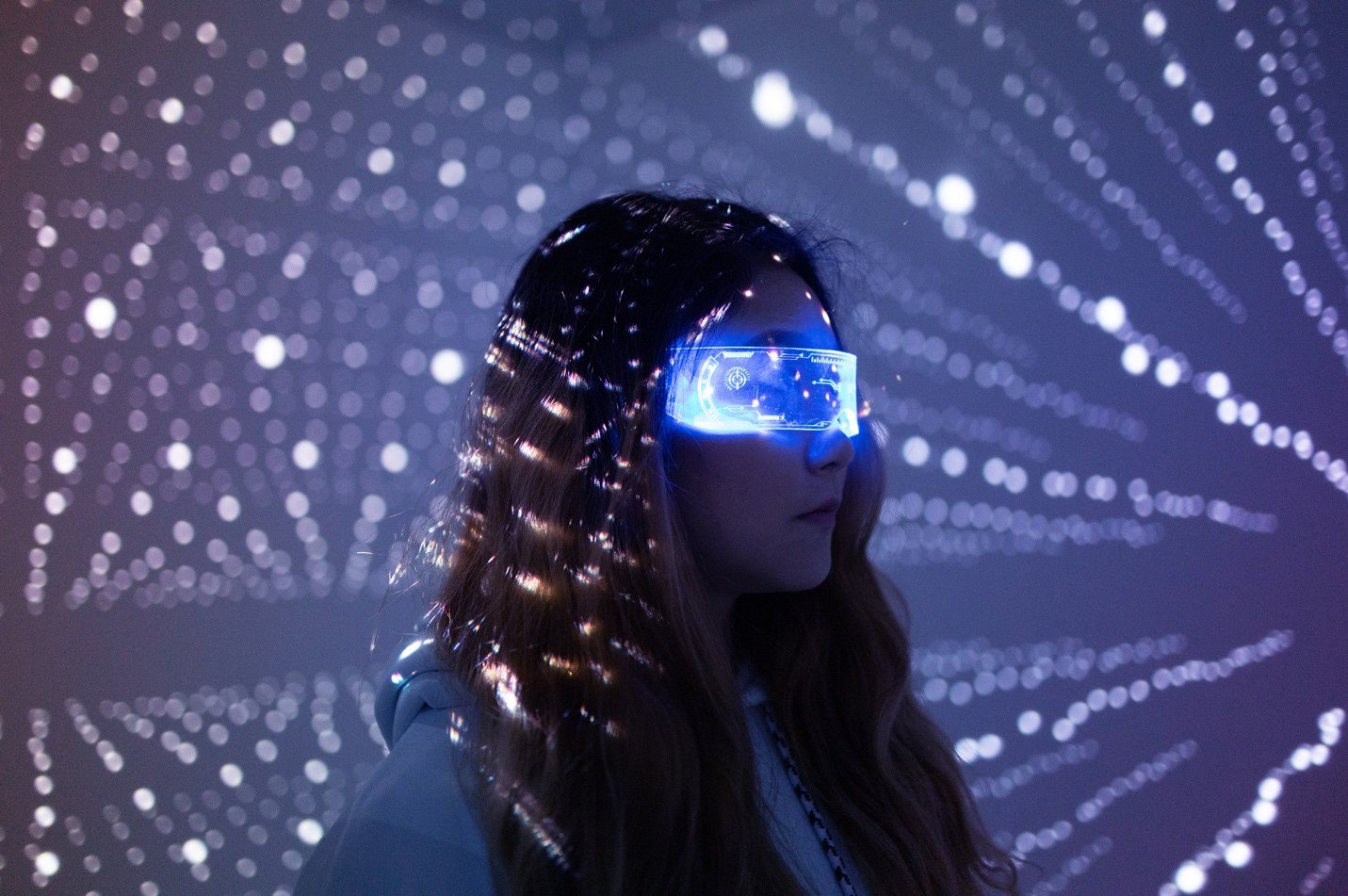
Extended Reality, often called XR, combines virtual reality, augmented reality, and mixed reality into a single ecosystem.
While VR headsets have existed for years, 2026 is seeing improvements in display quality, comfort, and processing power that make immersive experiences more practical.
Augmented reality is particularly promising because it overlays digital information onto the physical world. This allows users to see directions, instructions, or product details without looking at a phone.
In professional environments, XR is becoming a powerful training tool. Surgeons can simulate complex procedures, engineers can visualize designs in three-dimensional space, and technicians can receive real-time instructions while repairing equipment.
Retail is also experimenting with virtual showrooms where customers can explore products in immersive environments.
Although XR is still evolving, many experts believe it will eventually become the next major computing platform after smartphones.
Sustainable and Green Technology

Sustainability is becoming a central focus of the technology industry. Data centers, electronics manufacturing, and global supply chains all have environmental impacts.
In response, companies are investing heavily in green technology solutions.
Energy-efficient processors, low-power computing systems, and renewable-powered data centers are becoming increasingly common.
Cloud providers are also redesigning their infrastructure to reduce energy consumption while maintaining high performance.
Another important area of innovation is smart energy management. Smart grids use sensors and AI to balance electricity supply and demand more efficiently.
Consumers are also participating in this trend through smart thermostats, energy-monitoring apps, and solar-powered home systems.
As environmental concerns continue to grow, sustainable technology is shifting from a marketing buzzword to a critical design requirement.
Cybersecurity in an AI-Powered World
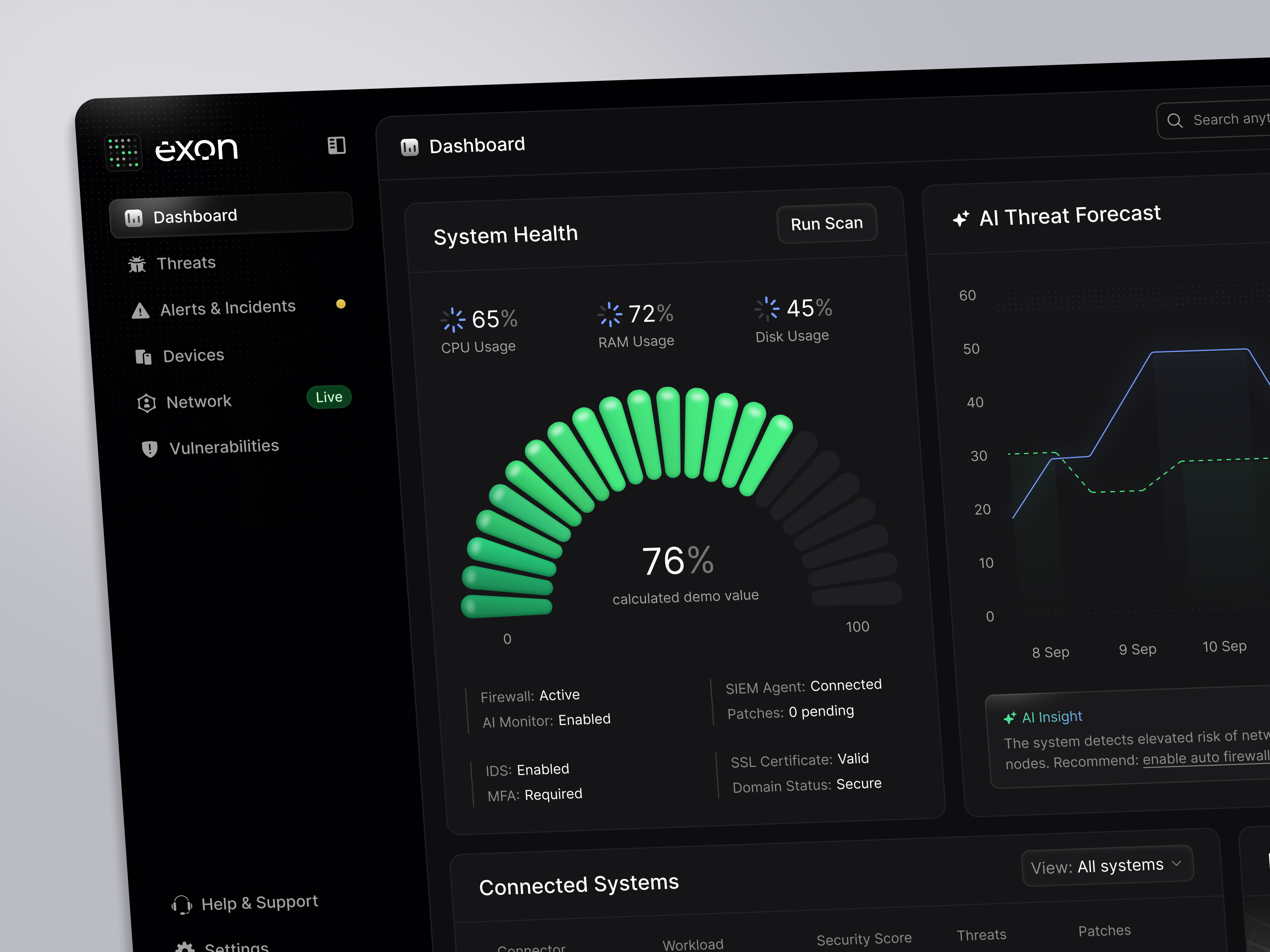
As technology becomes more advanced, cybersecurity threats are also evolving. Attackers are increasingly using automation and AI to identify vulnerabilities and launch sophisticated attacks.
To counter this threat, cybersecurity systems are also adopting AI-based defenses.
Modern security platforms can analyze network behavior in real time and detect suspicious activity before damage occurs. Machine learning models continuously study patterns in user behavior to identify anomalies.
Another major focus is zero-trust security architecture, which assumes that no user or device should automatically be trusted inside a network.
Instead of relying solely on passwords, systems now incorporate multi-factor authentication, biometric verification, and behavioral analysis.
For individuals and businesses alike, cybersecurity awareness is becoming a fundamental digital skill.
Protecting personal data, financial information, and business assets will remain a top priority throughout 2026 and beyond.
Robotics and Automation in Everyday Life
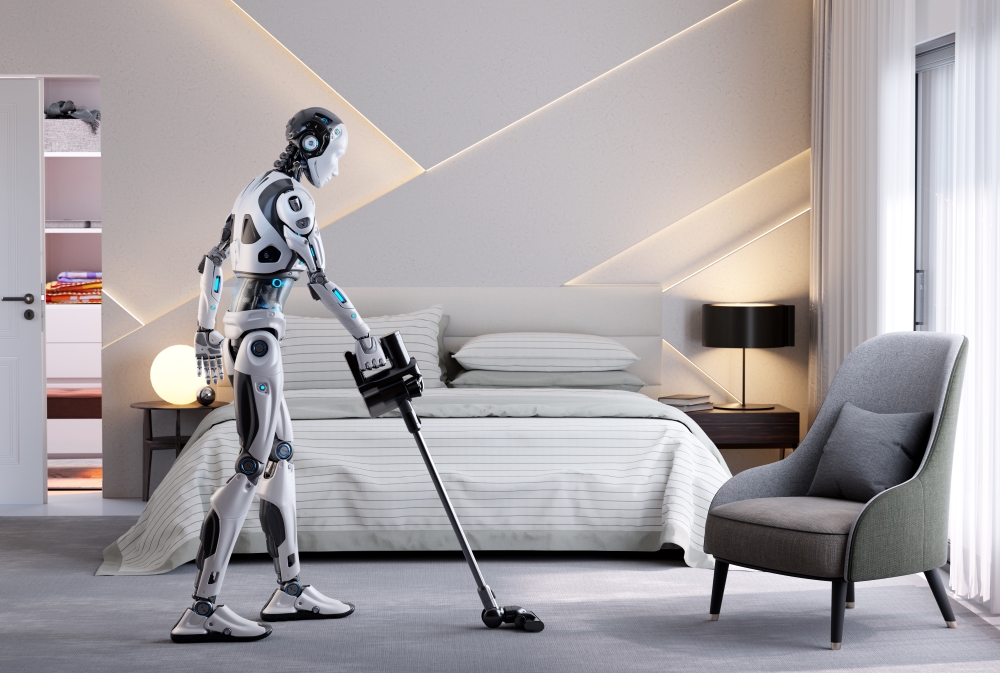
Robotics is moving beyond industrial factories and entering everyday environments. Advances in sensors, AI, and mobility are making robots more capable and affordable.
In logistics warehouses, fleets of autonomous robots transport packages and organize inventory with impressive efficiency.
Delivery robots are also beginning to appear in urban environments, transporting groceries and small packages directly to customers.
Inside homes, robotic vacuums, lawn mowers, and personal assistant robots are becoming increasingly common.
Healthcare is another area where robotics is making a difference. Surgical robots assist doctors with highly precise procedures, while rehabilitation robots help patients recover from injuries.
As these systems continue to improve, robots will increasingly handle physical tasks while humans focus on decision-making, creativity, and problem-solving.
What These Technology Trends Mean for the Future
The biggest technology trends defining 2026 all share a common theme: intelligence and automation are becoming deeply integrated into everyday tools and environments.
Artificial intelligence is transforming how people work and create. Smart homes are redefining living spaces. Extended reality is opening new possibilities for immersive experiences. Meanwhile, sustainable technology and cybersecurity are ensuring that innovation remains responsible and secure.
For individuals, staying informed about these trends provides a significant advantage. Understanding how these technologies work can unlock new opportunities for productivity, creativity, and career growth.
For businesses, the message is even clearer. Companies that embrace innovation and adapt quickly will be better positioned to compete in an increasingly digital world.
The technologies emerging today are not just shaping the next year. They are laying the foundation for the next generation of human–technology interaction.
And 2026 may very well be remembered as the year when that future truly began. 🚀